
Mangrove restoration
The idea came from witnessing the rapid loss of coastal ecosystems and understanding the vital role mangroves play in protecting shorelines, supporting marine life, and combating climate change. Seeing the impact on local communities and biodiversity motivated a commitment to restore these natural barriers and promote sustainable environmental practices.
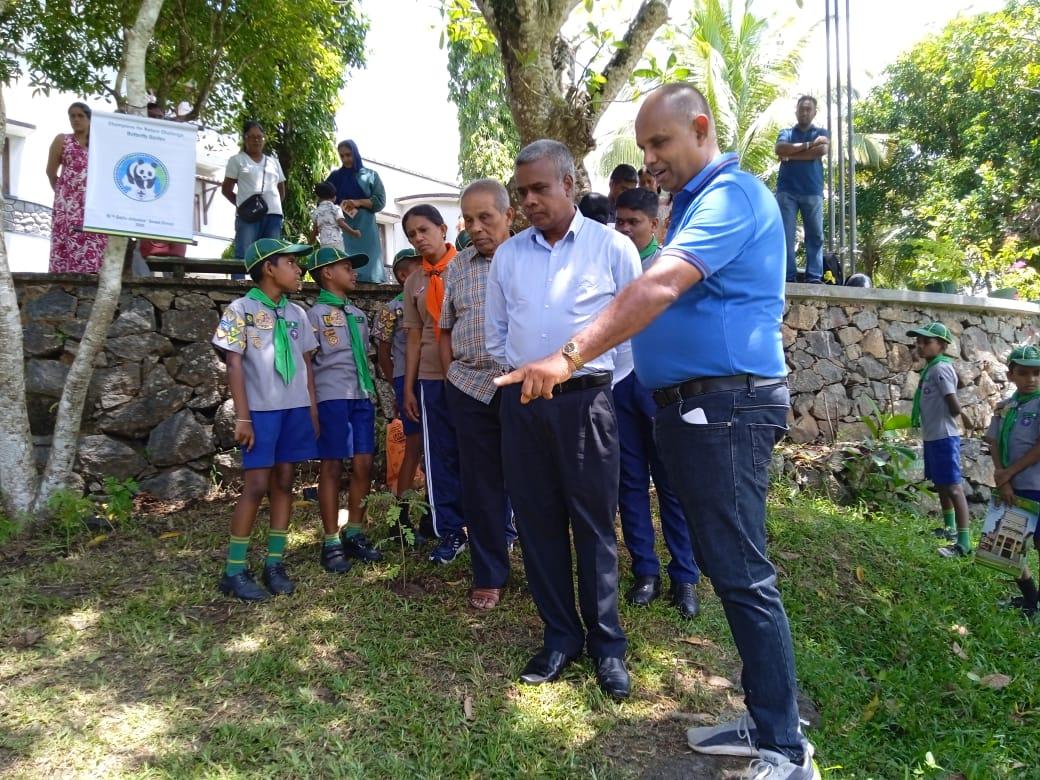
Mangrove restoration project execution involves selecting degraded coastal areas and replanting native mangrove species to restore ecological balance. The process typically begins with site assessment, followed by community engagement, nursery preparation, and planting. Regular monitoring and maintenance ensure plant survival and long-term success. This helps enhance biodiversity, protect shorelines, and support local livelihoods.
We learned that community involvement is crucial for long-term success—when local people are engaged, the project thrives. We also realized that patience is essential, as mangroves take time to grow and adapt. Monitoring and adapting to changing environmental conditions taught me the value of flexibility and continuous learning. Most importantly, we saw how even small restoration efforts can lead to significant environmental and social benefits over time.
Gallery


