

Clean environment for happy and better living
What inspired you to take up the project?
The Secretary-General’s message on the International Day of Peace emphasizes the importance of peace, unity, compassion, and mutual respect in building a better world. The message reminds us that peace is not simply the absence of conflict, but also the presence of justice, understanding, equality, and respect for one another. It encourages everyone, especially young people, to become active contributors to peace in their communities by rejecting violence, resolving conflicts peacefully, and promoting kindness and cooperation.
The Secretary-General also highlights that peace begins with each individual and that our everyday actions can have a meaningful impact on those around us. By listening to others, respecting different opinions and cultures, helping those in need, and working together for a common purpose, we can create stronger and more peaceful communities. The message serves as an inspiration for us to take responsibility for building a culture of peace and to remember that even small acts of kindness and understanding can contribute to a more peaceful world.
What are the learnings you got from implementing this project and how would you make it better?
Through implementing this project, I learned the importance of teamwork, cooperation, and having a strong team-building spirit. I realized that when people work together with a common goal, even a difficult task can be completed more effectively and successfully. Each member has a role to play, and supporting and encouraging one another makes the work more enjoyable and meaningful. The project also taught me that cleaning and maintaining the place where we live is very important for a healthy and better quality of life. A clean environment not only looks more pleasant but also helps prevent pollution, protects our health, and creates a safer and more comfortable place for everyone.
I also learned that keeping our surroundings clean should not be considered a one-time activity. It should become a regular habit and a shared responsibility among members of the community. Through this project, I became more aware of the amount of waste produced and the importance of disposing of it properly.
If I were to implement this project again, I would make it better by involving more community members and creating greater awareness before the activity begins. I would also organize the participants into smaller groups and assign specific areas and responsibilities to each group so that the work could be completed more efficiently. In addition, I would include more educational activities on waste segregation, recycling, and reducing the use of plastic. This would help ensure that the project has a lasting impact rather than only improving the cleanliness of the area for a short period of time.
Where was your project implemented and how did you execute it?
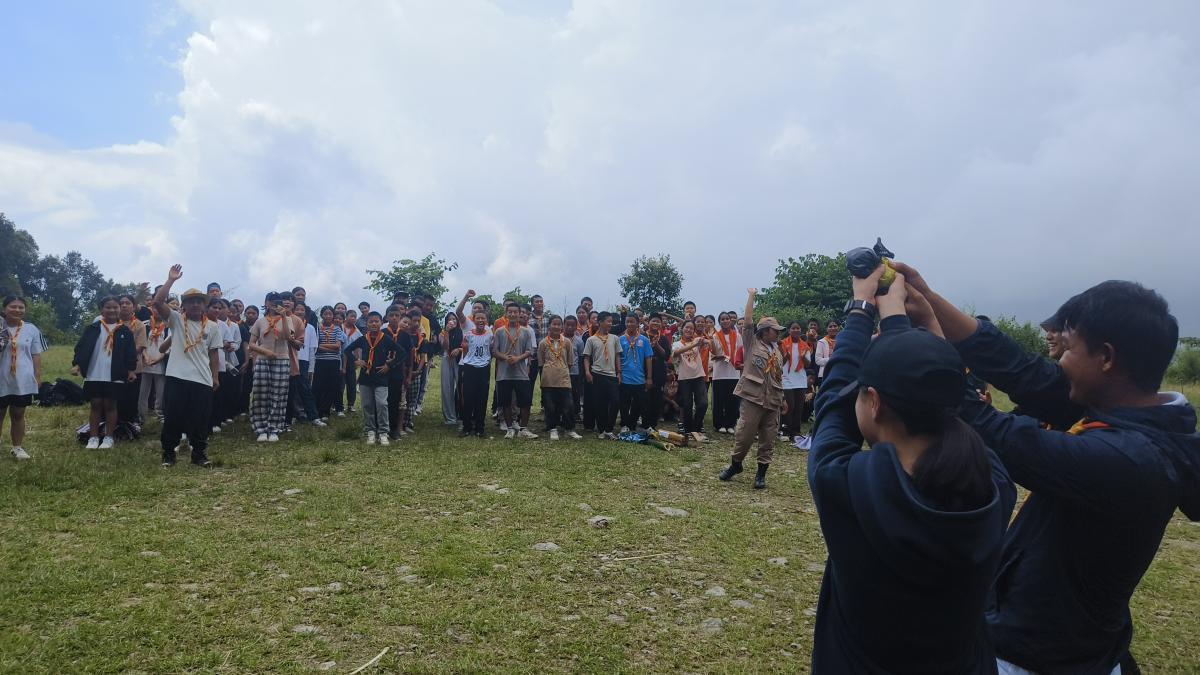
We started the execution of the project with a hike, during which we conducted a briefing on IDP and shared important messages about peace, teamwork, responsibility, and community participation. The hike provided an opportunity for the scouts to spend time together, build stronger relationships, and learn through an enjoyable outdoor activity. Upon reaching the base, the scouts participated enthusiastically in various fun and team-building games, including blindfold activities, balloon games, and a treasure hunt. These activities helped develop cooperation, communication, trust, and team spirit among the participants.
During our return journey, we carried out a cleaning campaign in the community under the slogan “My Waste, My Responsibility.” The scouts actively collected waste from the surrounding areas and encouraged community members to take greater responsibility for the waste they produce. Through this activity, we aimed to create awareness about the importance of proper waste disposal and maintaining a clean environment.
The cleaning campaign also helped convey the message that keeping our surroundings clean is not only the responsibility of a particular person or organization, but a shared responsibility of everyone in the community. We encouraged people to develop good habits such as disposing of waste properly, reducing littering, and keeping public places clean. Overall, the project combined learning, fun, teamwork, and community service, while promoting the message that a clean environment contributes to healthier, happier, and better living for everyone.


