
Clean Today, Green Tomorrow!
The project “Clean Today, Green Tomorrow” was inspired by the growing need to create a clean, healthy, and environmentally responsible community. As a teacher and scout leader, I believe that education should not only focus on academic achievement but should also help learners develop good habits, a sense of responsibility, and respect for the environment.
The school is an important place where young people can develop lifelong habits. If students learn from an early age to keep their surroundings clean, reduce waste, protect nature, and take responsibility for their community, they are more likely to carry these values into their homes and society. Scouting provides an excellent platform for developing these values because it emphasizes service, discipline, teamwork, responsibility, and care for the environment.
I was particularly inspired by the idea that small actions by individuals can create a meaningful collective impact. Activities such as cleaning school surroundings, proper waste segregation, reducing plastic use, planting trees, and creating awareness may appear simple, but when practiced consistently, they can contribute to a cleaner and greener environment.
Through this project, I wanted to encourage scouts and students to understand that environmental protection is not the responsibility of one person or one organization. It is a shared responsibility. The project aimed to transform students from passive learners into active participants who can identify environmental problems, take action, and encourage others to do the same.
The project title, “Clean Today, Green Tomorrow,” reflects the belief that the choices and actions we make today will determine the kind of environment we leave for future generations. By keeping our surroundings clean today and developing sustainable habits, we can contribute to a healthier and greener tomorrow.
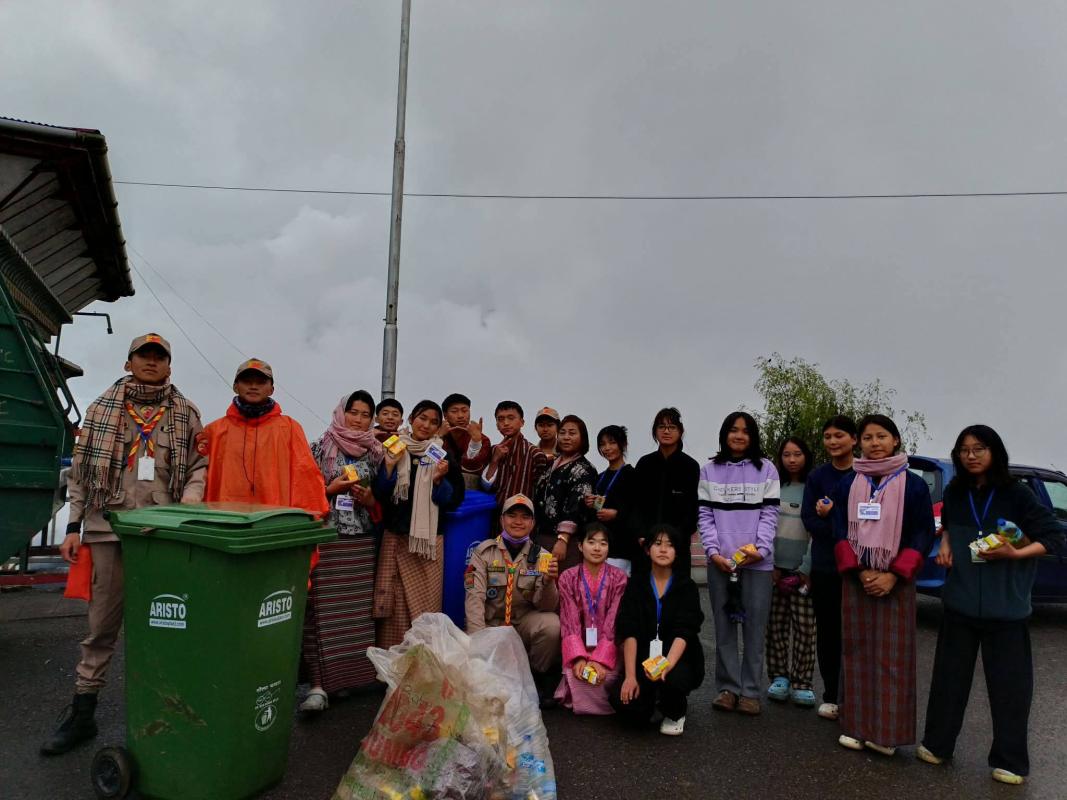
The project was implemented primarily within the school environment and its surrounding community, involving scouts, students, teachers, and other members of the school community. The activities were designed to encourage students to take direct responsibility for maintaining a clean and environmentally friendly learning environment.
The project was executed through several activities:
- School cleanliness campaigns:
Scouts and students participated in regular cleaning activities around the school compound, classrooms, playgrounds, pathways, and other common areas. Students were encouraged to understand that maintaining cleanliness is a shared responsibility.
- Waste segregation and proper disposal:
Students were introduced to the importance of separating different types of waste. Waste bins and simple segregation practices were promoted so that recyclable and non-recyclable materials could be managed appropriately.
- Awareness and sensitization:
Students were educated about the importance of environmental protection through discussions, classroom activities, posters, presentations, and awareness campaigns. The focus was on helping students understand how everyday actions can affect the environment.
- Tree planting and care for greenery:
Tree planting and maintaining green spaces were encouraged as part of the project. Students were given responsibility for caring for planted trees and plants, helping them develop a sense of ownership and responsibility towards nature.
- Reduction of plastic and unnecessary waste:
Students were encouraged to reduce the use of single-use plastics and avoid unnecessary waste. They were also encouraged to reuse materials whenever possible and develop environmentally friendly habits.
- Student leadership and teamwork:
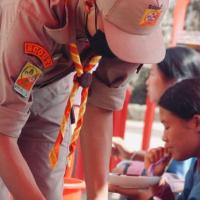
Scouts were given leadership responsibilities during different activities. They helped organize groups, assign tasks, guide younger students, and monitor cleanliness. This helped develop confidence, communication skills, leadership, and teamwork.
- Community participation:
Where possible, the project was extended beyond the school compound through awareness activities and community cleanliness initiatives. This helped students understand that environmental protection is not limited to the school but is a responsibility shared by the entire community.
Implementing this project provided me with many valuable lessons, both as a teacher and as a scout leader.
First, I learned the importance of environmental awareness and responsible waste management. Students became more aware of the amount of waste produced in their daily lives and learned the importance of reducing, reusing, and recycling wherever possible. They also understood that proper waste segregation can make waste management more effective.
Second, the project strengthened students' teamwork and leadership skills. Cleaning and environmental activities were carried out through group participation, allowing students to divide responsibilities, communicate with one another, and work towards a common goal. Students were given opportunities to take leadership roles, organize activities, guide their peers, and take responsibility for specific tasks.
Third, I learned that practical learning is more effective in developing environmental values. Instead of simply teaching students about environmental protection in the classroom, involving them directly in cleaning campaigns, waste segregation, tree planting, and awareness activities helped them understand the importance of these values through experience.
Another important learning was the value of community participation. Environmental problems cannot be solved by schools alone. The involvement of teachers, students, parents, community members, and local organizations can make such initiatives more sustainable and effective.
If I were to improve the project, I would make it a more continuous and structured programme rather than conducting environmental activities only on special occasions. I would introduce regular cleanliness days, waste audits, tree-planting activities, recycling initiatives, and environmental awareness sessions.
I would also establish student-led environmental clubs or scout teams that could monitor cleanliness and encourage other students to follow good environmental practices. More emphasis could be placed on measuring the impact of the project, such as recording the amount of waste collected or reduced, the number of trees planted, and the number of students and community members involved.
In the future, I would also strengthen collaboration with parents and the local community so that students can practice the same environmental habits at home and in their communities. This would help make the project more sustainable and ensure that the lessons learned through scouting become part of everyday life.


