
Handwashing Habits for Future Leaders
What inspired you to take up the project?
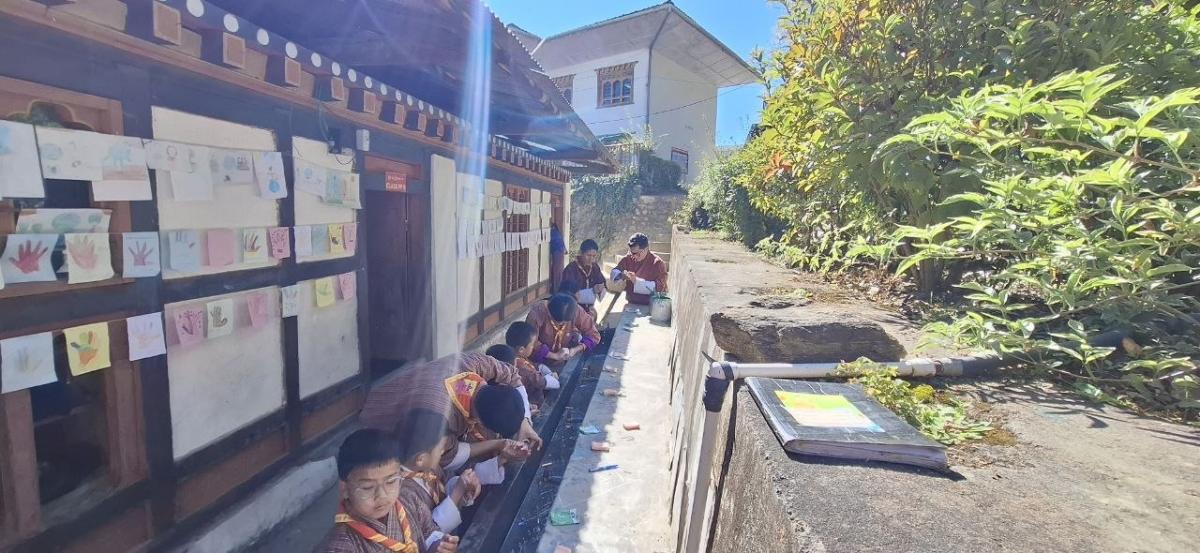
Many young students did not wash their hands properly with soap before meals and after using the toilet. Global Handwashing Day (15 October) gave us the right moment to act, and we wanted the habit to last beyond one day. Students teaching students builds healthy habits in the youngest learners and leadership in the Scouts, which inspired Handwashing Habits for Future Leaders.
What are the learnings you got from implementing this project and how would you make it better?
1. Small actions create real change: handwashing keeps students healthy (SDG 3).
2. Peer teaching works: PP-A and PP-B students learned from the Nazhoen Scouts (SDG 4).
3. Leading builds confidence and communication skills in Scouts (SDG 4).
4. Partnerships keep a project organised (SDG 17).
5. Habits need repetition: daily reminders will continue (SDG 3).
“A journey of a thousand miles begins with a single step.” (Lao Tzu)
Where was your project implemented and how did you execute it?
With permission from the school administration, the programme was planned in coordination with the School Health Coordinator and the School Scouts Coordinator. Ten Scouts from the advance team were selected to teach proper handwashing methods to the PP-A and PP-B students. The Health Coordinator ensured the content was accurate, while the Scouts led the demonstrations, helping young learners build good hygiene habits from an early age.
Values developed:
- Hygiene and health awareness: clean hands protect well-being.
- Responsibility and leadership: the Scouts led by example.
- Care and service: older students cared for the youngest learners.
- Cooperation: students and coordinators worked as a team.
- Discipline: regular handwashing became a habit.
Gallery


Topics
Partnerships
Personal safety
Youth Programme
SDGS


