

compact HIV/AIDS and Malaria
AIDS Definition:
“Human immunodeficiency virus infection and acquired immuneoe deficiency syndrome is a spectrum of conditions caused by infection with the human immunodeficiency virus”
Following initial infection a person may not notice any symptoms or experience a brief periods of influenza like illness. Typically this is followed by a period of influenza like illness. Typically this is followed by a prolonged period with no symptoms. As the infection progresses it interferes more with immune system increasing the risk of common infections like tuberculosis as well as other opportunistic infections and tumors that rarely affect people who work immune systems.
For thousands of years traditional herbal remedies have been used to treat malaria. The first effective treatment of malaria came from the bark of cinchona tree, which contains quinine. After the link of mosquitoes and their parasites were identified in the early twentieth century, mosquito control measures such as widespread use of insecticide, swamp drainage, coveting or oiling the surface of open water sources, indoor residual spraying and use of insecticide treated nets was initiated.
Malaria researches have won multiple Nobel prizes for their achievements although the disease continues to afflict some 200 million patients each year killing more than 6,00.000.
Mother- To-Child
Programme to prevent the vertical transmission of HIV can reduce rates of transmission by 92-99%. This primarily involves the use of a combination of antiviral medications during pregnancy and after birth in the infants, however exclusive breast feeding is recommended during the first months of life if this is not the case. If exclusive breast feeding is carried out, the provision of extended antiretroviral prophylaxis to the infant of decreases the risk of transmission.
Vaccination
Currently there is no licensed vaccine for HIV/AIDS. The most effective vaccine trial to date, EV144, was published in 2009 and found a partial reduction in the risk of transmission of roughly 30%, stimulating some hope in reach community of developing a truly effective vaccine. Further trials of RV144 are ongoing.
Commercial sex workers have an increased rate of HIV. Rough sex can be a factor associated with an increased risk of transmission. Sexual assault is also believed to carry an increased risk of HIV transmission as condoms are rarely worn physical trauma the the vegina or rectum is likely and there and there may be greater risk of concurrent sexually transmitted infections.
Body Fluids
The second most frequent mode of HIV transmission is via blood and blood products. Blood borne transmission can be through needle sharing during intravenous drug use, needle stick injury, transmission of contaminated blood or blood product or medical injections with unsterilized equipments. The risk from sharing a needle during drug injection is between 0.63 and 2.4% per act, which with an average of 0.8%. The risk of acquiring HIV needle from sick is 0.3% per act.
HIV is transmitted in about 93% of blood transmissions using infected blood. In developed countries the risk of acquiring HIV from a blood transfusions is extremely low where improved donor selection and HIV screening is performed. Ex: In UK the risk at an advanced stage of disease when aids or severe immunodeficiency has become apparent.
HIV testing
Most people are infected with the HIV develop specific antibodies within three to twelve weeks of initial infection. Diagnosis is primary HIV before secroconversion is done by measuring HIV/RNA or antigens. Positive results obtained by antibody or PCR testing are confirmed either by a different antibody or PCR.
Antibody tests in children younger than 18 months are typically inaccurate due to the continued presence of maternal antibodies.
HIV is spread primarily by an unprotected sex, contaminated blood transfusions, hypodermic needles and also from mother to child during pregnancy, delivery or breastfeeding. Some of the bodily fluids such as saliva and tears do not transmit. HIV methods of prevention include safe sex, needle exchange programmes treating those who are infected.
Disease in a body of a baby can often be prevented by giving both the mother and child antinoviral medication. There is no cure or vaccine however this antinoviral treatment can slow the course of disease and may lead to a hear normal life expectancy. Treatment is recommended as soon as the diagnosis is made. Without the treatment the average survival time after infection is 11 years.
Malaria
“An infectious disease caused by protozoan parasites from the plasmodia family that can be transmitted by the bite of Anopheles mosquito or by a contaminated needle or transfusion”
It is a mosquito borne infectious disease affecting humans and other animals caused by parasitic protozoans.
Causes: Plasmodium spread by mosquitoes
Symptoms: Fever, Vomiting, Head ache
Prevention: Mosquito nets, insect repellent, mosquito control, medications
Deaths: 7,30,500 in the year 2015
History of Malaria
The history of malaria stretches from its prehistoric origin as a zoonotic disease in the primate of Africa through the 21st century. A widespread and potentially lethal human infections disease at its peak malaria infested every continent Accept America. Its prevention and treatment have ben targeted in science and medicine for hundreds of years. Since the discovery of the parasites which cause it, research attention has focused on their biology as well as that of the mosquitoes which transmit parasites.
References to its unique periodic fevers are found throughout recorded history beginning in the first of millennium BCE in china.
How can one find out if they have malaria/ What are the tests available to diagnose malaria?
Malaria can be promptly diagnosed by a rapid diagnostic test(RDT) or microscopy (laboratory blood test). This involves examining a drop of thepatients blood to determine presence of the malaria parasite. RDTs are often used in the field by ASHA workers and primary health centers for efficient management of malaria cases, especially in hard to reach areas where access to adequate health services is limited. A nucleic acid amplification based test is also available to detect malaria in areas where malaria I not very common.
Treatment for malaria
The treatment for malaria involves the use of prescribed antimalarial medication mainly Artemissinin Combined Therapy (ACT). The dosage and type of medication will depend on a variety of factors, including age, type of malaria and in cases of pregnant women. Please consult a doctor if one experiences malaria like symptoms. There is no commercially available vaccine against malaria today. While several vaccine candidates are currently under research and development worldwide, one should continue to take adequate precautions to prevent mosquito bites and malaria.
How can malaria be prevented?
Malaria is spread by the Anopheles mosquito. It is important to be protected from this mosquito, both indoors and outdoors because even a single mosquito bite can bite lead to malaria. Before stepping out the use of personal repellents like Good Knight Fabric Roll-on (or the Good Knight cool gel/patches etc.) can prevent mosquito bites. When at home, shutting the doors and windows in the evening and use of household level repellents like Good Knight Activ+ and Good knight Fast card will keep mosquitoes away. People should also sleep under bed nets for further protection.
Conclusion
In conclusion, evidence from studies in different countries show that; Malaria and HIV are two most important infectious diseases, which affect millions of people across overlapping geographic distributions. Malaria infection is associated with strong CD4+ cell activation and up-regulation of proinflammatory cytokines and it provides an ideal microenvironment for the spread of virus among the CD4+ cells and for rapid HIV-1 RNA in the blood are predictive of disease progression, and correlate with the risk of blood-borne, vertical and sexual transmission of the virus. Therefore, knowing of interaction between malaria and HIV are important for management or control of these diseases and further research activities in the area are highly required. Additionally, interaction between malaria and HIV during pregnancy and their putative impact on MTCT of HIV is complex and needs further study.
The first evidence of malaria parasites was found in mosquitoes preserved in amber from the palaeogem period that had approximately 30 million years old. Human malaria likely originated in Africa and coevolved with its hosts, mosquitoes and non human primates.
Malaria protozoa are diversified into primate, rodent bird and reptile host lineages. Humans have originally caught plasmodium falcipuram from gorillas. Vavax another malarial plasmodium species among sox that infect humans also likely originated in African gorillas and chimpanzees. Another malarial species recently discovered to be transmittable to humans originated in Asian macaque which are the monkeys.
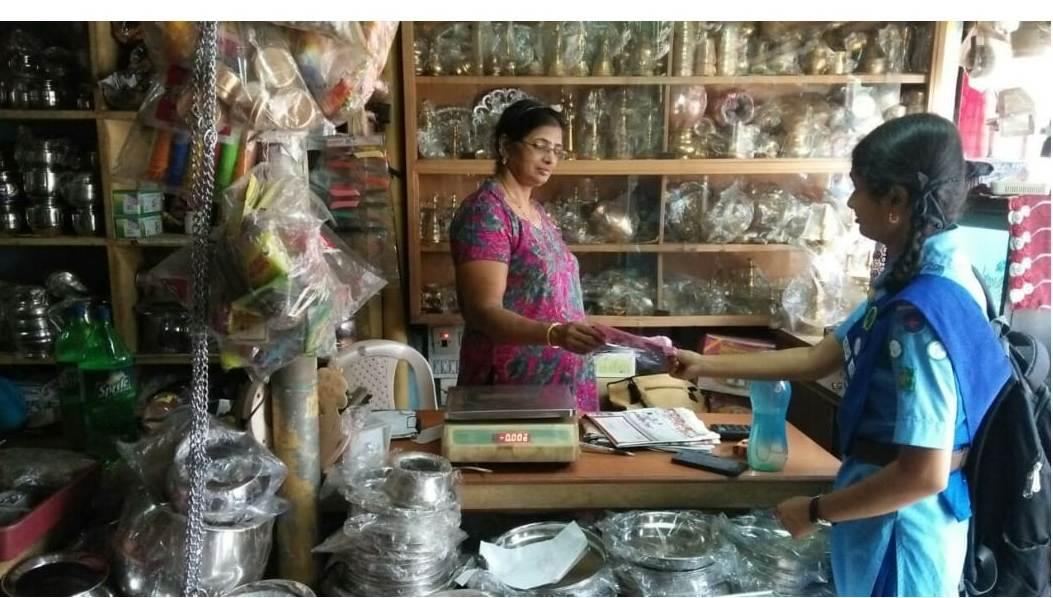
Experience: I visited Government Hospital, Puttur and met the patients who are suffering from Malaria and explained the causes of Malaria and HIV and gave some suggestions to prevent from Malaria and HIV. I also visited Divya Jyothi women self help group and gave a talk on the causes and prevention from Malaria and HIV.


