

Combat HIV/AIDS , Malaria & other diseases
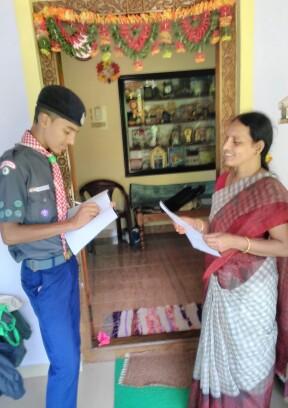
We are the scouts of Tilak troop of Vivekananda Kannada medium school. we worked on this to the duration of six months. We studied a lot.
Malaria is a disease caused by several species of Plasmodium, a parasite that can be transmitted by mosquito bites, primarily in tropical regions of the world. Over 300 million people contract malaria each year; one million of them die.
Most of the fatalities are children. In the areas of highest risk, exposure to the malaria parasite is so persistent that children develop a functional immunity to the parasite by the age of five - or else they simply don’t survive.
Immune’ adults are still bitten and can be infected by the parasite, however the parasite burden is lower and with few or no symptoms.
Approximately 90% of the malaria cases occur in sub-Saharan Africa where the burden of HIV is also high. Yet, while malaria is one of the most important diseases in the world, its role as an HIV coinfection has perhaps been under-appreciated. Recent studies have shown that the two diseases can have a number of harmful interactions.
For example, pregnant women with HIV are at a greatly increased risk of malaria — even if they were previously immune to the organism. HIV also increases the risk of malaria crossing the placenta and affecting the foetus. Conversely, the risk of HIV transmission to the child is increased when there is placental malaria
Other studies regions suggest an increased risk of symptomatic malaria among people with AIDS. There are indications that adults may gradually lose malaria immunity as their immune system weakens. Also, malaria diagnosis is often made using simple clinical criteria - fever - that can be mimicked or masked by HIV/AIDS and its opportunistic infections.
However, the effect of malaria on the course of HIV infection has not been as well characterised, and initial reports of any interaction have been inconclusive. While an earlier study in Malawi found higher HIV loads in patients with malaria than those without, the difference could not be clearly attributed to malaria, since the patient’s viral loads before illness were unknown.
HIV and malaria have similar global distributions. Annually, 500 million are infected and 1 million die because of malaria. 33 million have HIV and 2 million die from it each year. Minor effects of one infection on the disease course or outcome for the other would significantly impact public health because of the sheer number of people at risk for coinfection. While early population-based studies showed no difference in outcomes between HIV-positive and HIV-negative individuals with malaria, more recent work suggests that those with HIV have more frequent episodes of symptomatic malaria and that malaria increases HIV plasma viral load and decreases CD4+ T cells. HIV and malaria each interact with the host's immune system, resulting in a complex activation of immune cells, and subsequent dysregulated production of cytokines and antibodies. Further investigation of these interactions is needed to better define effects of coinfection.
HIV and malaria have similar global distributions, with the majority of those affected living in sub-Saharan Africa, the Indian subcontinent, and Southeast Asia. Given the overlap of their geographic distribution and resultant rates of coinfection, interactions between the two diseases pose major public health problems. Together they accounted for over 3 million deaths in 2007, and millions more are adversely affected each year. Malaria and HIV/AIDS are both diseases of poverty and contribute to poverty by affecting young people who would otherwise enter the workforce and contribute to the local economy.
Malaria is caused by the protozoan parasite Plasmodium and is transmitted by Anopheles mosquitoes. It is endemic in most tropical and subtropical regions of the world. Of the four Plasmodium species that infect humans, P. falciparum is the most virulent and is responsible for the majority of morbidity and mortality due to malaria. Worldwide, 1.2 billion people are at risk for malaria infection, resulting in 500 million infections and more than 1 million deaths each year. The majority of these deaths occur in young children in sub-Saharan Africa, where one in every five childhood deaths is due to malaria . Aside from young children, pregnant women are also heavily affected , with resultant effects on maternal health and birth outcomes. While recent data indicates the number of malaria infections per year is decreasing (247 million malaria cases in 2006) the number of deaths attributable to malaria remains unchanged
Areas of the world with high rates of malaria also carry a heavy burden of HIV. There are 33 million people living with HIV worldwide, with 22.5 million in sub-Saharan Africa alone. This results in an estimated overall prevalence of 5% in sub-Saharan Africa, with some countries reporting prevalence rates of greater than 25%. While new HIV infections in adults and children have decreased since 2005, there were an estimated 2.5 million children living with HIV in 2007, nearly 90% of whom are in sub-Saharan Africa. It is estimated that 2.1 million deaths in 2007 were due to HIV, of which 1.6 million occurred in sub-Saharan Africa, making HIV/AIDS the number one cause of mortality in that region.
Gallery


